
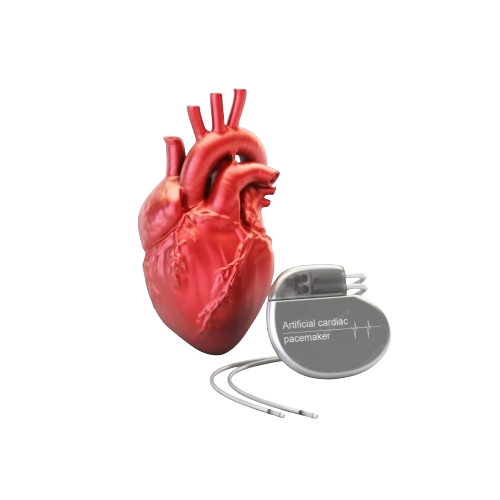
What is a Pacemaker and Why is it Needed?
A pacemaker is a small, battery-powered device designed to help your heart beat at a healthy, consistent pace. It's often referred to as a cardiac pacing device. The device is typically implanted during a surgical procedure, usually just under the skin near your collarbone.
The need for a pacemaker may arise if you have chronic heart failure or experience a consistently slow, weak, or irregular heartbeat.
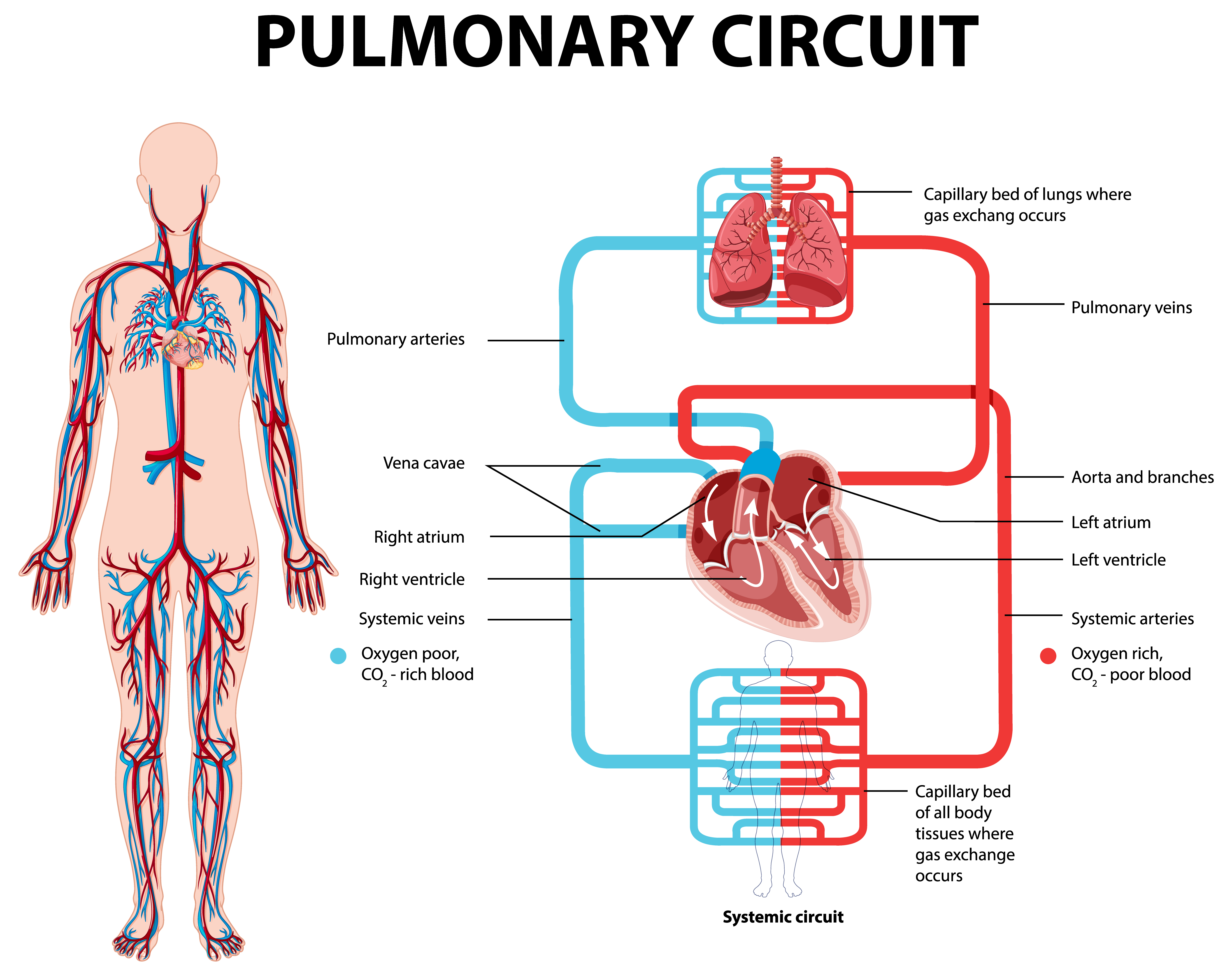
How a Pacemaker Works
A pacemaker is a sophisticated system consisting of a pulse generator (containing a battery and a small computer circuit) and thin wires called pacing leads. Weighing between 20 to 50 grams, it's roughly the size of a matchbox.
The pacing leads are connected to the heart, allowing the device to monitor your heartbeat. It can detect when a beat is missed or when your heart is beating too slowly. When an irregularity is detected, the pacemaker sends a precise electrical signal through the wires to normalize the rhythm. It only activates when needed; if your heart is beating normally, the pacemaker remains in standby mode. The rate of these electrical impulses can be adjusted and programmed to meet your body's specific needs.
Types of Pacemakers
There are several types of pacemakers, each designed for specific needs:
Single-Chamber Pacemaker:
This type sends electrical signals to the lower right chamber of the heart.
Dual-Chamber Pacemaker:
This device stimulates both the upper and lower right chambers of the heart.
Ventricular Pacemaker (Cardiac Resynchronization Pacemaker):
Specifically for individuals with heart failure and a slow heartbeat, this pacemaker strengthens the heart muscle by stimulating both lower heart chambers.
Signs You May Need a Pacemaker
If you're experiencing heart-related symptoms, it's crucial to discuss them with your healthcare provider to determine if a pacemaker is the right treatment option for you.
Here are some of the key symptoms to watch for:
Chest Pain (Angina)
Discomfort or pressure in your chest.
Abnormal Heart Rate
Bradycardia (slow) or Tachycardia (fast) heartbeat.
Irregular Heartbeat
A rhythm that includes skipped or extra beats.
Heart Palpitations
Sensation of heart pounding or beating unpleasantly.
Shortness of Breath
Difficulty breathing, especially during activity.
Dizziness or Fainting
Unexplained lightheadedness or loss of consciousness.
Confusion
Episodes of mental fogginess or disorientation.
Swelling
Fluid retention in ankles, legs, or abdomen.
Nocturia
Frequent nighttime urination.
Understanding the Cost of Pacemaker Surgery in Ahmedabad
At Healthcare Accocaition, we understand that the financial aspect of medical procedures is a significant concern for patients and their families. Our goal is to provide world-class cardiac care with complete transparency. This page offers a general overview of the estimated costs for pacemaker surgery in Ahmedabad, India.
It is important to note that the final cost of a pacemaker implantation is not a fixed amount. It can vary significantly based on several key factors, ensuring that the treatment plan is tailored to the individual patient's needs and health condition.
Estimated Cost Range (in INR)
The tentative cost for pacemaker surgery in Ahmedabad typically ranges from
This is a broad range because the final price is influenced by the factors listed below. We encourage you to contact our patient care coordinator for a personalized cost estimate based on your specific case.
Factors That Influence the Final Cost
The total expenditure for pacemaker surgery is a composite of several components, including:
Type of Pacemaker
The type of device chosen is the most significant determinant of the cost.
Hospital and Room Selection
Costs vary based on hospital facilities, infrastructure, and reputation. Private or semi-private rooms cost more than general wards.
Surgeon's and Anesthetist's Fees
The experience and expertise of the surgical team significantly impact the overall cost.
Hospital Stay & Post-operative Care
Includes stay duration (usually 2-3 days), nursing care, medications, and monitoring after surgery.
Pre- & Post-Surgery Diagnostics
Covers ECG, blood work, echocardiograms, X-rays, follow-up consultations, and device programming.
Patient's Health Condition
Pre-existing conditions or complications may require additional treatment and longer hospitalization, increasing costs.
Our Commitment to Affordable Care
We believe that no patient should delay life-saving treatment due to financial concerns. We work with various insurance providers and offer transparent billing to help you navigate the costs. Our team is dedicated to providing you with a clear, itemized breakdown of all potential expenses before the procedure.
For a detailed consultation and a personalized cost estimate, please fill out the form below or contact our patient care helpline at +91 922 88 52 751.