Minimally Invasive Cardiac Surgery in Ahmedabad.
Looking to consult for Minimally Invasive Cardiac Surgery in Ahmedabad?
Minimally Invasive Cardiac Surgery (MICS) is a modern approach to heart operations. Instead of a large incision, surgeons use small cuts and special instruments with tiny cameras to perform the procedure. This technique leads to less pain and trauma for the patient. A major benefit of MICS is a shorter hospital stay and a faster return to normal activities compared to traditional open-heart surgery.
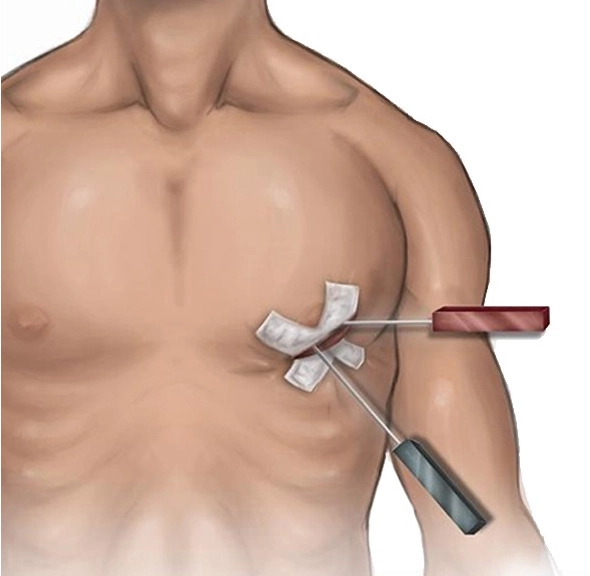
Could Minimally Invasive Cardiac Surgery (MICS) be right for you?
MICS is a modern option for many patients needing heart procedures like valve repair or replacement, and coronary artery bypass grafting (CABG). If you’re looking for a procedure with a quicker recovery and less discomfort than traditional open-heart surgery, MICS may be an excellent choice.
Your heart surgeon will perform a thorough evaluation of your overall health, the specific nature of your heart condition, and your unique anatomy to determine if MICS is a safe and effective option for you. While MICS is not suitable for everyone, especially those with very complex heart issues or in need of emergency intervention, it offers a great alternative for many.
Health Care Association
The Top Choice for MICS Consulting in Ahmedabad, Gujarat
Types of Minimally Invasive Cardiac Surgery
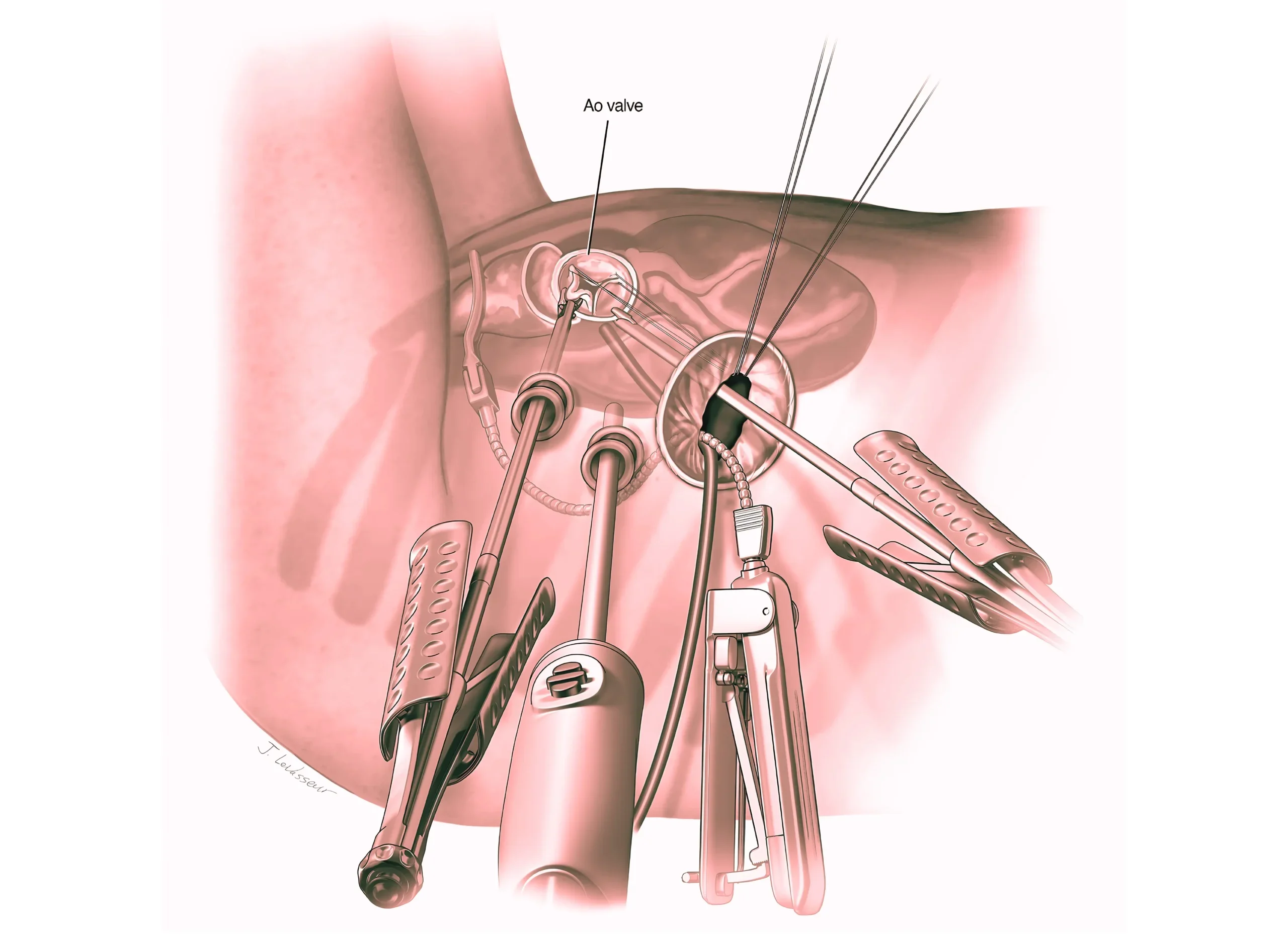
Thoracoscopic Surgery
A surgeon makes small incisions on the side of the chest. A thoracoscope, a thin instrument with a camera, is inserted through one of these cuts. The camera provides a clear, magnified view of the heart on a monitor, allowing the surgeon to operate with specialized, long-handled instruments through the other incisions.
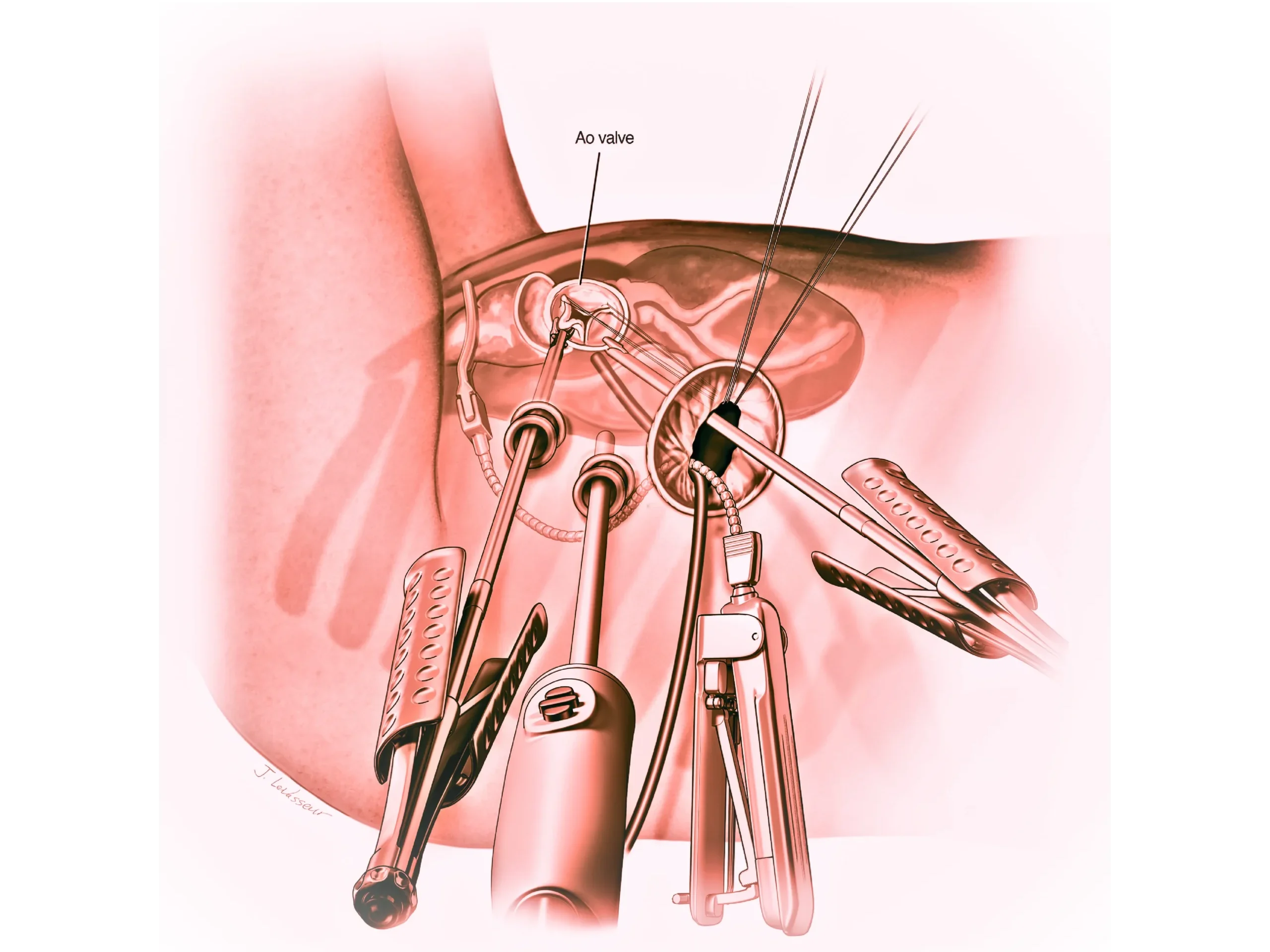
Robotic-Assisted Heart Surgery
Similar to thoracoscopic surgery, small incisions are made in the chest. However, the surgeon sits at a console and controls a high-tech surgical robot. The robotic arms are fitted with miniature instruments that precisely mimic the surgeon's hand movements. The surgeon views the procedure on a high-definition 3D monitor, which allows for enhanced dexterity and precision.
Benefits of choosing Minimally Invasive Cardiac Surgery (MICS) for heart surgery
Less pain and trauma
Discomfort or pressure in your chest. Because the procedure is performed through small incisions, it significantly reduces trauma to the chest and surrounding tissues.
Minimal blood loss
This leads to a lower risk of needing a blood transfusion and fewer complications related to blood loss.
Reduced risk of wound infection
Smaller incisions heal faster and are less prone to infection compared to traditional open-heart surgery.
Quicker recovery
Patients typically experience a faster return to normal activities, with an average recovery time of just 2-4 weeks.
Shorter hospital stay
The average hospital stay is only 2-4 days, allowing you to return home sooner.
Increased durability of grafts
The use of arterial conduits in MICS helps ensure the long-term success and durability of bypass grafts.